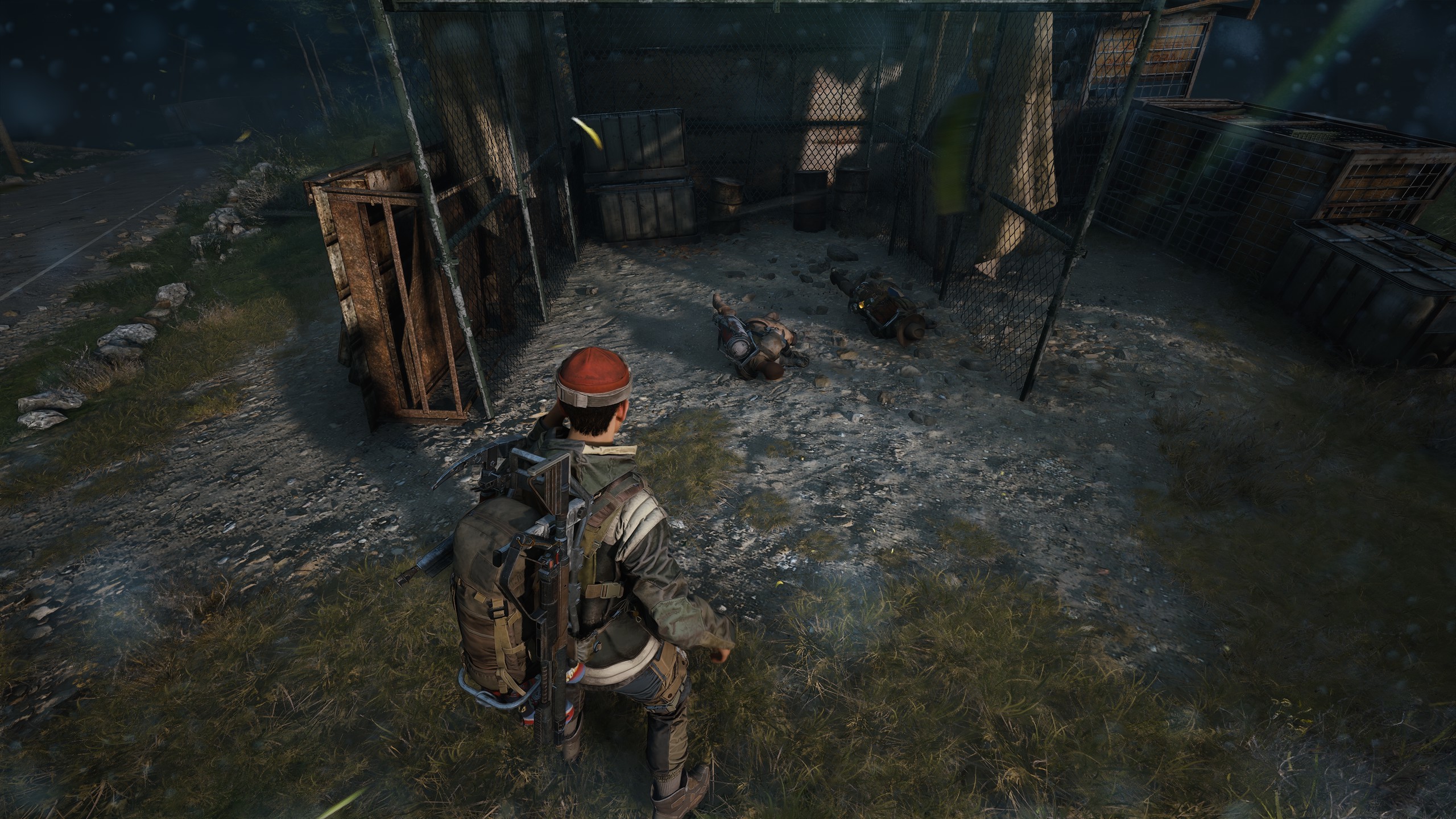
Establishing clear loot priority rules in Arc Raiders is a distinct tactical progression path, separate from raw combat skill. It emphasizes rapid decision-making, understanding item value, and maximizing inventory efficiency when time is critical. For players aiming to consistently extract the most valuable gear, minimize wasted space, and avoid agonizing over choices under pressure, a well-defined set of loot priority rules forms a reliable and repeatable framework for optimizing every raid in the Exclusion Zone.

This guide examines how to approach loot prioritization efficiently, focusing on identifying high-value items, understanding situational needs, weighing space versus profit, and integrating these rules into a routine that consistently ensures you grab the best items first, especially when time is running low or threats are closing in.
Understanding the Scarcity of Time and Inventory Space
In Arc Raiders, both time and inventory space are precious, finite resources. Every second spent deciding what to grab is a second lost to potential threats or missed opportunities. Every inventory slot filled with low-value items is a slot that could have held something far more profitable. Loot prioritization is about making the most impactful choices in a fraction of a second, preventing analysis paralysis in high-stress situations. It’s a deterministic skill that rewards foresight and disciplined application of rules.
The structure of effective loot prioritization encourages efficiency through pre-defined mental filters. Mastery is achieved by minimizing indecision, maximizing the value-to-space ratio, and executing swift transfers, turning chaotic loot piles into organized, profitable grabs.
Tier 1 Priority: Immediate Survival and Mission Critical
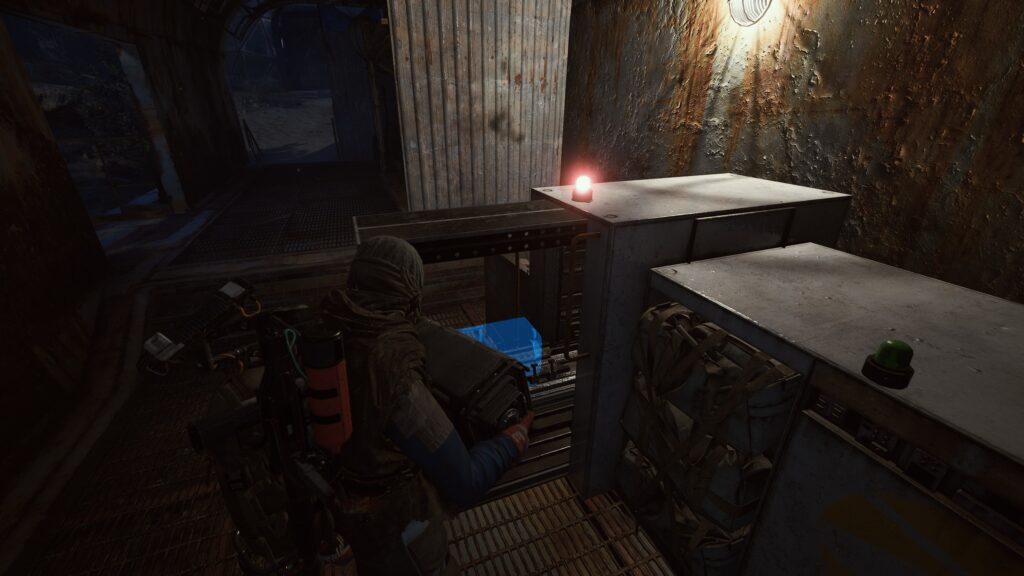
These are items you grab no matter what, often even before assessing their monetary value. Your life and mission objectives come first.
- Healing Consumables (Large Medkits, Armor Plates): If you are low on health or armor, these take absolute precedence. You cannot loot if you are dead.
- Ammo for Current Weapons: If your primary weapon is running low, securing its corresponding ammo is crucial. An empty gun is useless.
- Mission-Specific Items: If your current raid objective requires a specific item (e.g., a data chip, a unique component), prioritize it immediately. Losing it means failing the raid.
- Unique or Legendary Modules/Upgrades: Extremely rare or unique weapon/armor modules that offer significant tactical advantages. These often have a high monetary value and immediate utility.
- Purpose: To ensure you can survive immediate threats and complete your primary objectives, providing the foundation for any further profit.
Tier 2 Priority: High Value, Efficient Space
Once your survival and mission needs are met, focus on items that offer the best return for the least amount of inventory space. These are your primary profit drivers.
- Rare Components/Materials: These are often small but highly sought after for crafting or selling. Learn which specific components fetch the highest price.
- High-Tier Utility (e.g., Advanced Scanners, Tactical Grenades): These items can significantly impact future engagements or offer unique advantages, and often sell well.
- Weapon Attachments (Rare Optics, Stabilizers): Specific, high-quality weapon attachments that are universally good or rare. These can upgrade your existing gear or be sold for profit.
- Special Ammo Types: Armor-piercing, explosive, or other special ammunition for your equipped weapons, as these can be a game-changer in combat and are often valuable.
- Purpose: To maximize the monetary value of your inventory without sacrificing too much space, focusing on concentrated wealth.
Tier 3 Priority: Situational or Moderate Value
These items are picked up if you have ample space, specific needs, or are early in a raid with no immediate threats. They are less urgent but still contribute to your overall haul.
- Standard Weapons (if empty slot): If you have an empty weapon slot and find a decent quality standard weapon (e.g., a common AR, SMG), it can be a temporary placeholder or a modest sale item.
- Standard Consumables (Basic Medkits, Small Armor Kits): If your primary healing is full, but you have space, picking up extra standard healing is never a bad idea.
- Common Crafting Materials: If you’re targeting specific crafting recipes, these are valuable, but generally lower priority than rare components.
- Generic Modules/Upgrades: Common weapon or armor mods that offer minor improvements or have a consistent, albeit low, sale value.
- Purpose: To fill out remaining inventory space with useful items or general profit, but only after higher priorities are secured.
What to Leave Behind (Unless Desperate)
Knowing what not to pick up is as important as knowing what to grab. These items often waste precious inventory space for minimal gain.
- Low-Tier, Damaged Weapons/Armor: Unless you literally have nothing else, these are often not worth the space. Their sale value is negligible, and repair costs can outweigh profit.
- Excessive Ammo for Unused Weapons: Don’t pick up ammo for weapons you aren’t carrying or won’t use.
- Junk/Scrap with No Immediate Use: Items that only serve to clutter your inventory and offer very little in return.
- Purpose: To maintain a lean, high-value inventory, preventing unnecessary clutter and ensuring space for better finds.
Integrating Loot Priority Rules into Your Routine

These rules should become second nature, allowing for lightning-fast decision-making when looting.
- Memorize Tiers: Internalize which items fall into which priority tier.
- Practice Under Pressure: Actively practice applying these rules when looting quickly in training scenarios or during actual raids, especially after messy fights.
- Refine Your List: As the game updates or you discover new strategies, refine your personal loot priority list.
- Team Communication: If in a squad, communicate loot needs to ensure efficiency (“Need heavy ammo!” “Anyone got space for a legendary component?”).
Conclusion: Maximize Profit, Minimize Risk
Mastering loot priority rules in Arc Raiders rewards consistency, efficient decision-making, and a clear understanding of item value. By establishing and adhering to a tiered system, players can significantly enhance their ability to extract the most valuable gear, even when time is low or threats are imminent.
When integrated into your gameplay, effective loot prioritization becomes less of a gamble and more of a streamlined process. It transforms you into a highly efficient raider, consistently securing valuable hauls, minimizing wasted inventory space, and ensuring you get out cleaner and richer, preventing you from agonizing over choices and risking your life for low-value items in the dangerous world of Arc Raiders.
Leave a Reply