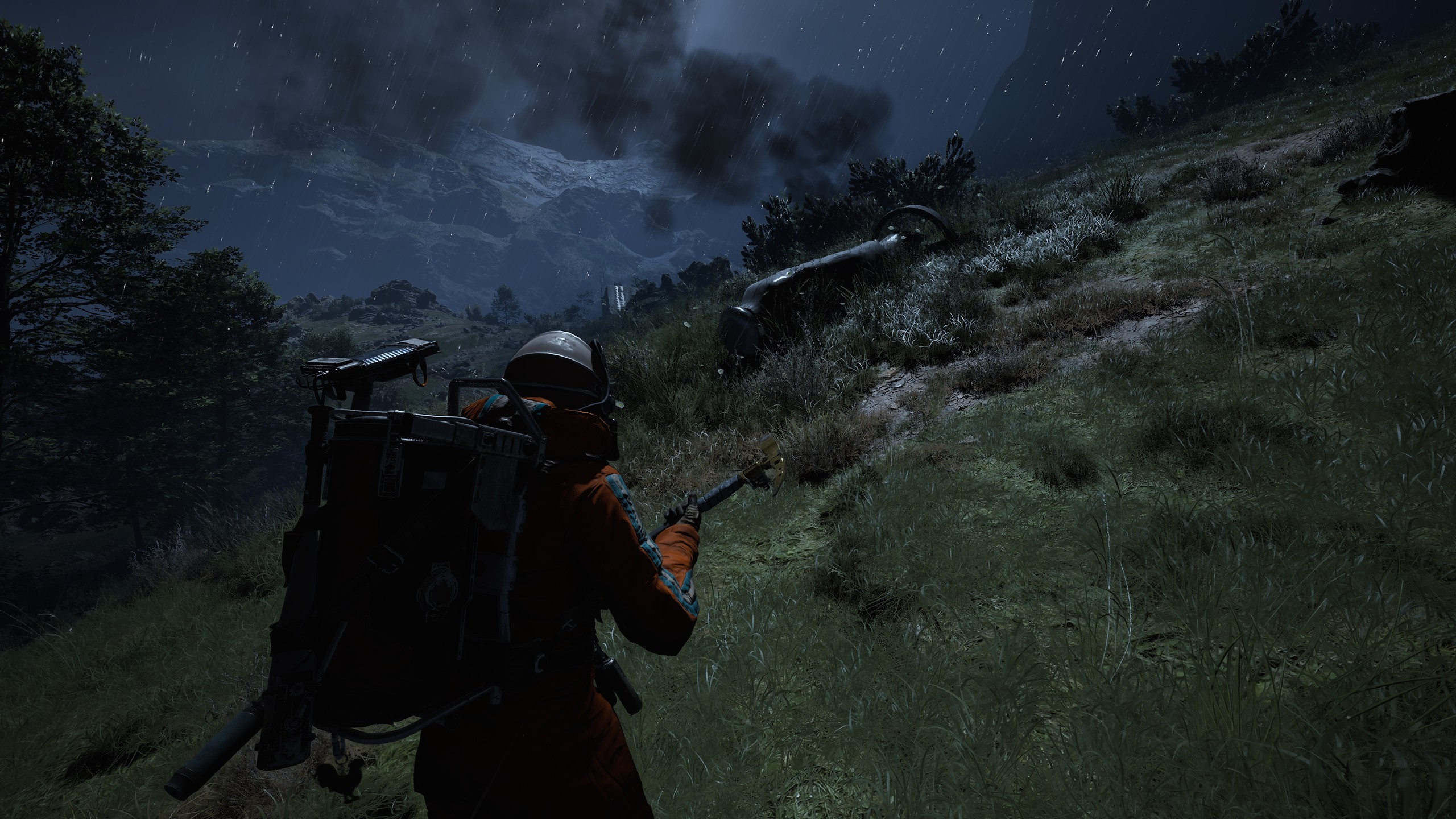
Mastering reload timing in Arc Raiders is a distinct mechanical progression path that governs your combat uptime and vulnerability. In the high-intensity skirmishes of the Exclusion Zone, many players suffer from “compulsive reload disorder”—pressing the reload key after every minor engagement regardless of the tactical situation. For players aiming to eliminate unnecessary deaths and maintain constant pressure on the enemy, developing disciplined reload habits forms a reliable framework for mastery. It is about understanding that a half-empty magazine is often safer than a full-duration reload animation.
This guide examines how to approach ammunition management efficiently, focusing on the “tactical partial,” the cover-bound reload, and the strategic decision to switch weapons rather than wait for a slow animation when a threat is imminent.
The Logic of Tactical Retainment
In Arc Raiders, a reload is a period of total defenselessness. If you initiate a reload while an enemy is within line of sight, you are gambling that they will not push you during your three-second vulnerability window. Disciplined reload timing is a deterministic strategy that prioritizes “readiness” over “fullness.” A weapon with ten rounds remaining can still secure a headshot or suppress an enemy, whereas a weapon in the middle of a reload is a paperweight. You must learn to value the rounds currently in your chamber more than the potential rounds in your bag.
This logic requires a shift in focus: you only reload when you have “earned” the time to do so. This means only pressing the button after you have broken line of sight, secured a kill, or verified that the enemy is also resetting. By treating the reload as a high-cost tactical action rather than a reflex, you ensure that you are always capable of returning fire when the enemy makes an unexpected move. Mastery of this timing is what keeps you alive in the “messy” middle of a multi-squad fight.
Core Tactics: The Cover-Check and the Animation Cancel
To manage your weapon’s readiness without becoming a stationary target, you must utilize these specific mechanical habits:
- The Cover-First Rule: Never press the reload key while your character is in the open. You must be behind hard cover or mid-slide before the animation begins. If you are caught in the open with an empty magazine, your priority is movement and rolling, not reloading.
- The “Second Gun” Priority: If you run dry during a close-range duel, do not reload. Switching to your sidearm or secondary weapon is almost always faster than the reload animation of a primary rifle. A lower-tier pistol that fires is better than a high-tier rifle that is empty.
- Status Communication: If you are in a squad, verbalize your reload. “Slayer reloading, cover me” tells your team that one gun is out of the fight, allowing them to step up and provide suppressive fire so you can reset safely.
Managing “Reload Baiting” and Mental Resets
Experienced raiders often use the sound of a reload to trigger a push. If an enemy hears your weapon click or sees you start the animation, they will immediately swing the corner to delete you. To counter this, practice “reload baiting.” Start the reload near a corner to draw the enemy out, then immediately cancel the animation (by switching weapons or meleeing) to catch them in a sprint. This psychological manipulation turns your supposed vulnerability into a lethal trap.
You must also learn to “reload in stages.” If a fight is too intense for a full reset, use micro-windows to perform partial reloads if the game mechanics allow, or simply reload your most reliable weapon first. The goal is to minimize the time your hands are off the trigger. A raider who understands the “rhythm” of their magazine is a raider who never gets caught with their guard down. Mastery of these timing windows ensures you are a constant, unrelenting threat throughout the entire engagement.
The Empty Chamber Penalty Awareness
In many weapons, reloading a completely empty magazine takes longer than reloading a partially full one because of the “chambering” animation. This extra half-second is often the difference between life and death. Disciplined raiders strive to reload with at least one round left in the mag. This “tactical reload” is not only faster but keeps you mentally prepared for an emergency shot if the animation is interrupted. Learn the specific timing of your favorite weapons; knowing the “sweet spot” of the animation allows you to cancel the tail-end and start shooting sooner.
By treating your reload as a calculated risk, you transform your combat flow. You stop being the player who dies with their hands on a magazine and start being the player who always has a response for a push. Integrating these timing rules into your daily routine provides a stable foundation for combat mastery, ensuring your firepower is always available when the stakes are highest in the Exclusion Zone.
Conclusion: Uptime as a Combat Metric
Reload timing rewards the calm and the methodical. By prioritizing tactical readiness over compulsive fullness and using cover to mask your resets, you maximize your presence in every fight. Integrating these habits into your daily routine ensures that you are always the one with a round in the chamber, providing a consistent path to dominance through superior weapon uptime mastery.
Leave a Reply