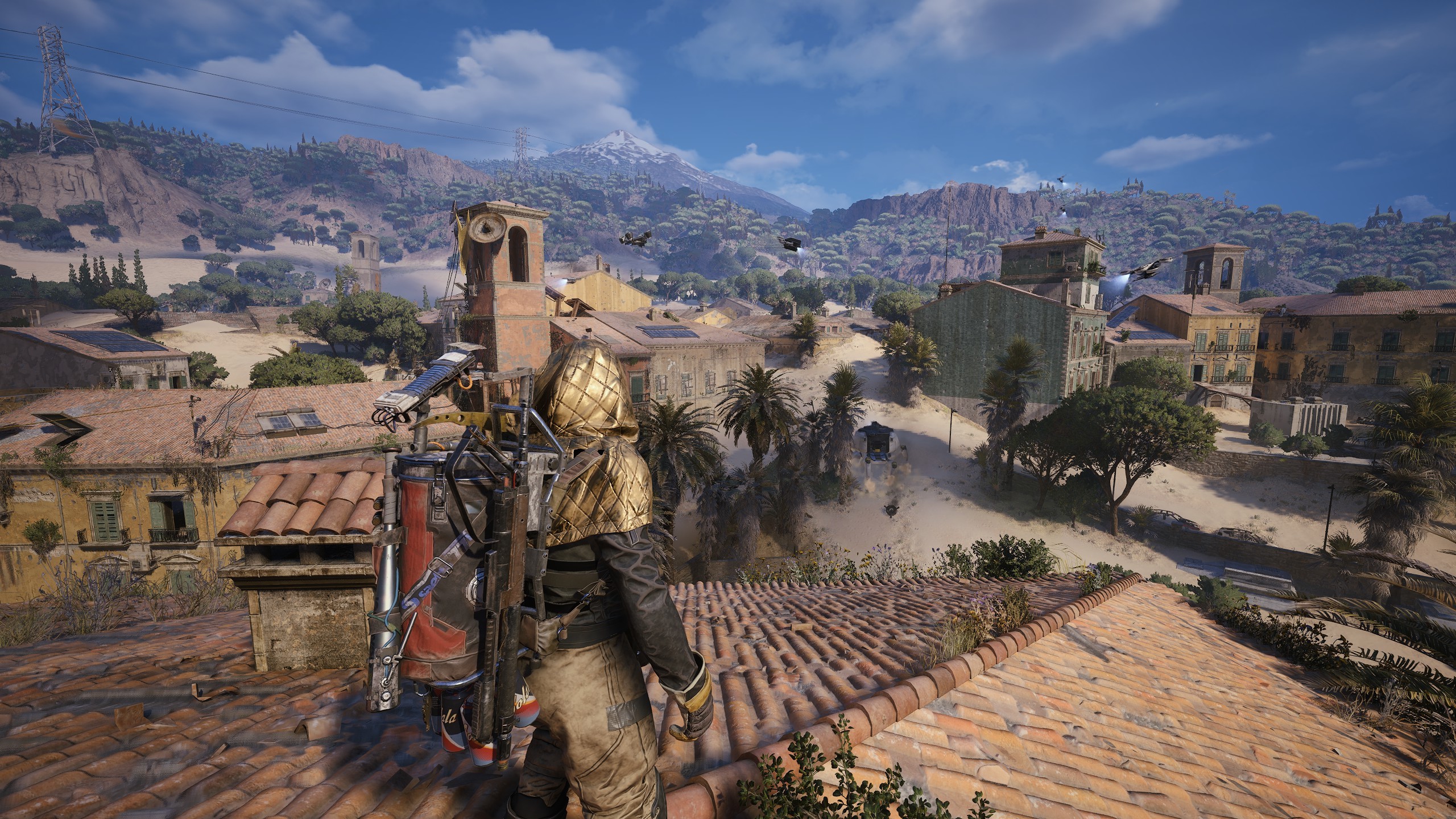
The “Sniffer Dogs”—swift, quadrupedal ARC units optimized for close-range reconnaissance and pursuit—pose a unique and persistent threat to Raider teams. Their primary danger does not lie in their kinetic force, but in their sophisticated, multi-spectral tracking algorithms designed to negate human stealth. These units specialize in locating concealed Raiders and reporting their position back to the ARC network, turning a stealth operation into a full-scale ambush. Effective countermeasures require specialized knowledge of **Anti-Sensory Warfare (ASW)**, focused on breaking the chemical and thermal locks these units establish.
This guide details the specific tactical protocols necessary to survive encounters with these highly disruptive and lethal tracking units.
Understanding the Sniffer Dog’s Sensor Array
Unlike standard ARC units that rely primarily on optical and radar detection, Sniffer Dogs employ a tri-modal sensor suite tailored for human targets:
- **Thermal Lock:** High-resolution thermal mapping for detecting body heat, particularly after exertion.
- **Acoustic Profiling:** Extremely sensitive sound detection calibrated to human biomechanics (footsteps, weapon manipulation).
- **Chemical Trace Analysis:** The defining feature; they detect and follow human chemical signatures (sweat, breath residue) even hours after passage.
To counter them, Raiders must simultaneously address all three modes of detection.
Acoustic and Thermal Countermeasures
The easiest tracking modes to defeat are acoustic and thermal. Raiders must utilize **Dampening Protocols:** moving exclusively at walking speed or slower when near Sniffer Dog patrols, avoiding the use of high-impact gadgets, and traversing bodies of water.
Shallow water is particularly effective as it acts as both an acoustic muffler and rapidly dissipates the heat trail left by footsteps, complicating the dog’s thermal map.
Breaking the Chemical Trace Lock (The ‘Ghost Protocol’)
The chemical trace is the most difficult element to counter. Raiders have developed the ‘Ghost Protocol’—a series of evasive maneuvers designed to confuse the chemical sensor:
| Maneuver | Action Required | Tactical Effect |
|---|---|---|
| **Double Back/Loop** | Rapidly double back on the previous path, then veer off at a 90-degree angle. | Creates two overlapping chemical trails, confusing the directionality of the unit. |
| **Debris Cross** | Cross through dense piles of metal scrap, oil, or chemical residue. | Overwhelms the chemical analyzer with industrial contaminants, temporarily neutralizing the trace lock. |
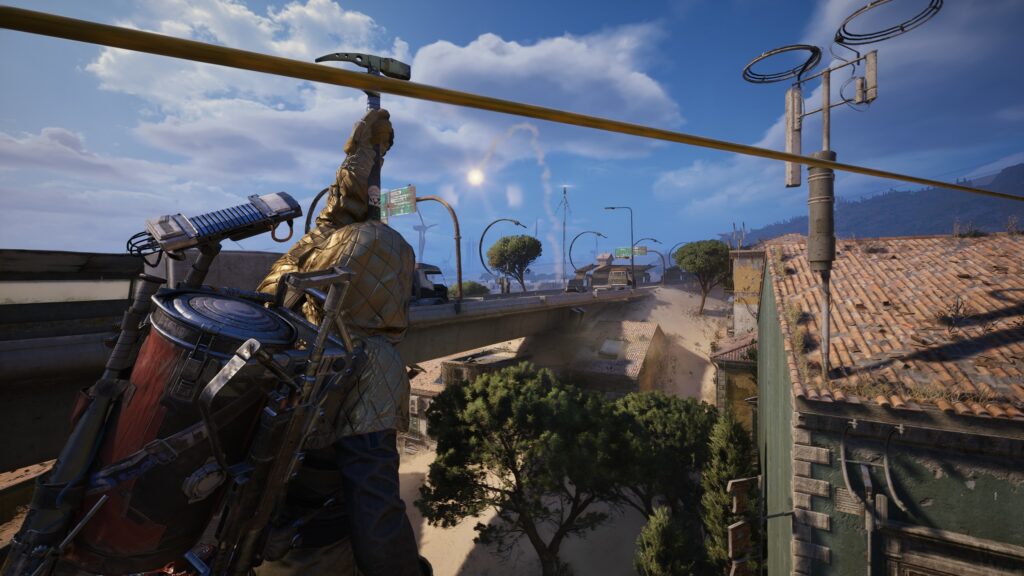
| **Elevated Break** | Use the Grappling Hook to gain rapid elevation (e.g., scaffolding). | Human chemical trails remain low to the ground; elevation breaks the surface trace and forces the unit to rely on slower acoustic/thermal scans. |
Prioritization in Direct Engagement
If a Sniffer Dog successfully locks onto the team, it must be neutralized immediately. Its Tier 1 priority is reporting the location, not kinetic damage.
Allowing it to communicate the position will bring larger ARC assets (Wardens, aerial support) to the location within seconds. A high-yield round to the exposed optic/sensor suite (TCA protocol) is mandatory to prevent the signal transmission.
Sniffer Dogs and the Night Cycle
During the Night Cycle, Sniffer Dogs are at their most dangerous. While human visibility drops, the Sniffer Dog’s thermal and chemical sensors function optimally. This reinforces the need for strict ASW protocols during nocturnal operations, utilizing the shadows not for concealment, but for rapid movement during the brief periods when the Sniffer Dog is forced to recalibrate its trace lock.
Conclusion: The Hunter Becomes the Hunted
The Sniffer Dog is a specialized predator designed to negate our stealth advantage.
By understanding the layered nature of its sensor array and employing disciplined ASW protocols—masking heat, dampening sound, and confusing the chemical trace—Raiders ensure that the hunter is denied its lock, allowing us to turn the tables and eliminate the threat before the entire ARC network is alerted.
Leave a Reply