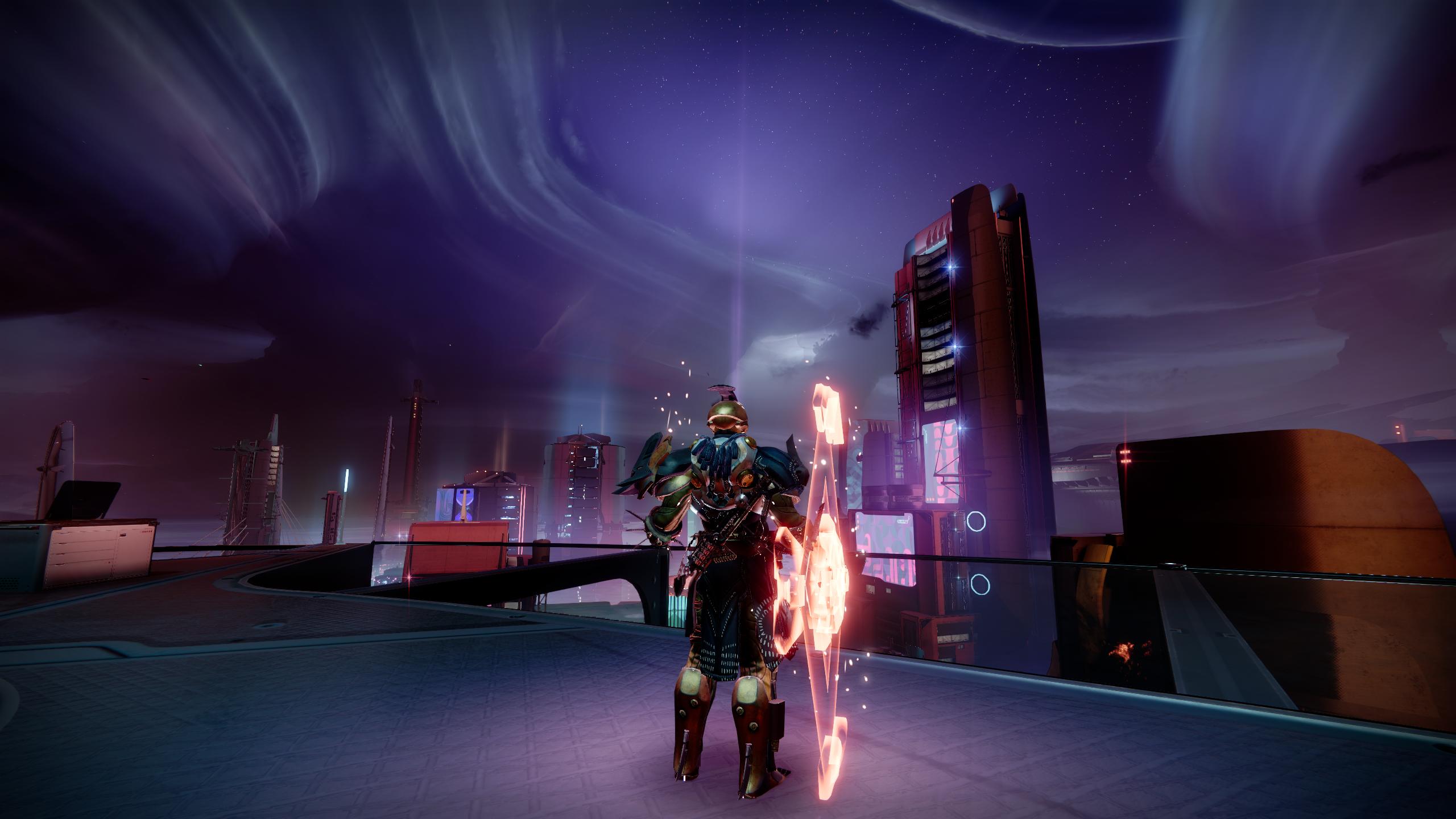
Picture yourself maneuvering through the high-stakes battlegrounds of Destiny 2, where every corner could harbor a lurking sniper or a shotgun-wielding opponent. To truly excel in this environment, you’ll need to master the intricacies of the latest meta. Start by selecting the best weapon loadouts, from reliable hand cannons to precision sniper rifles, and pair them with the most effective subclass abilities. But don’t stop there; understanding map control and honing your movement techniques like sliding and strafing will give you a substantial edge. Want to dominate your next match? Let’s explore how you can synchronize strategies with your team.
Key Takeaways
- Stay updated on the latest meta trends for optimal weapon and subclass choices.
- Use a balanced loadout with a reliable primary weapon and a versatile secondary weapon.
- Customize subclasses to maximize synergy with your preferred weapons and playstyle.
- Control key map areas, high ground, and power ammo spawns for strategic advantages.
- Maintain clear team communication and synchronize Supers for coordinated attacks.
Understanding the Current Meta
To excel in Destiny 2 PvP, you first need to understand the current meta and how it shapes gameplay dynamics. The meta, or ‘most effective tactics available,’ constantly evolves with game updates, and knowing what’s dominant can give you a significant edge. Meta analysis involves looking at the most popular weapons, subclasses, and strategies being used by top players. This analysis helps you grasp what’s trending and why.
Gameplay trends emerge from this meta analysis, highlighting which playstyles are thriving. For instance, if you see many players using specific weapon types or abilities, it’s a clue that these options are currently powerful. Understanding these trends lets you adapt your strategy to either capitalize on or counter the prevailing tactics.
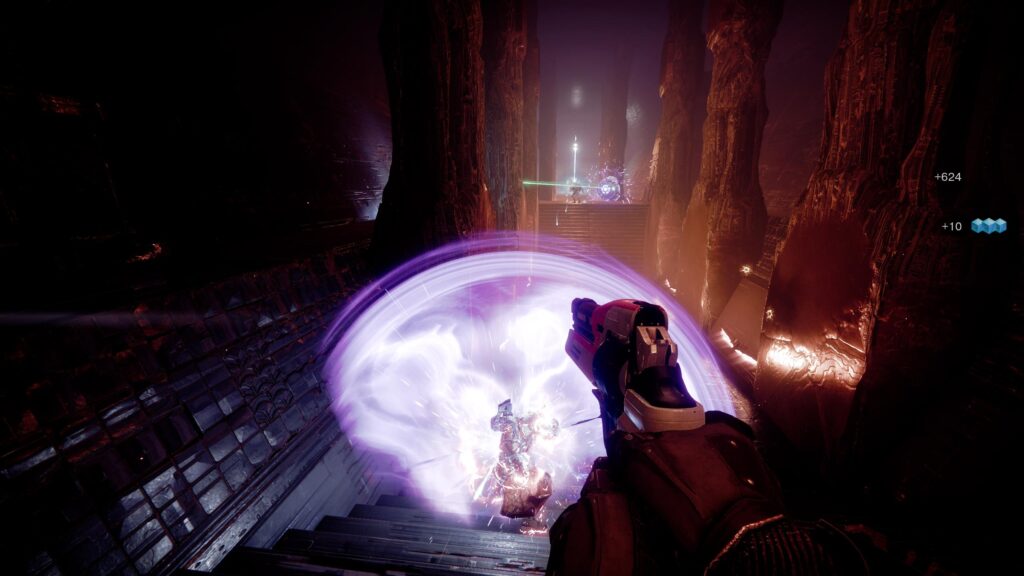
Staying updated on these trends is vital. Follow community discussions, watch high-level gameplay, and read patch notes. By doing so, you’ll gain insights into what’s effective and why. This knowledge allows you to anticipate opponents’ moves and adjust your playstyle accordingly.
In PvP, being one step ahead often means the difference between victory and defeat, and understanding the current meta is your first step towards mastering Destiny 2.
Optimal Weapon Loadouts
Choosing the right weapon loadout can greatly enhance your performance in Destiny 2’s PvP. Understanding which weapons to equip, alongside their exotic perks and mod configurations, can give you a substantial edge over your opponents.
Start by selecting a primary weapon that suits your playstyle. Hand cannons like ‘Ace of Spades’ offer high damage and range, while submachine guns such as ‘The Recluse’ excel in close combat.
For your secondary weapon, consider using shotguns for their one-hit-kill potential at close range, or sniper rifles if you prefer long-distance engagements. ‘Felwinter’s Lie’ is a popular shotgun choice, known for its lethal range and handling.
Exotic perks can greatly tilt the balance in your favor. For instance, ‘Thorn’ poisons enemies, dealing damage over time, which can be vital in finishing off weakened targets.
Don’t overlook your heavy weapon slot. Rocket launchers like ‘Truth’ or swords such as ‘Falling Guillotine’ can be game-changers.
Finally, optimize your weapons with appropriate mod configurations. Mods like ‘Targeting Adjuster’ improve aim, while ‘Counterbalance Stock’ reduces recoil, ensuring your shots land accurately.
Tailoring your loadout with these considerations will maximize your effectiveness in the ever-competitive Destiny 2 PvP arena.
Subclass and Abilities
Choosing the right subclass can make or break your performance in PvP. Each subclass offers unique abilities that, when used effectively, can turn the tide of a match.
Additionally, understanding how your subclass abilities synergize with your chosen weapons will give you a significant edge over your opponents.
Optimal Subclass Choices
When diving into PvP in Destiny 2, selecting the right subclass and abilities can make all the difference between victory and defeat. Subclass customization allows you to tailor your Guardian’s strengths to your playstyle, maximizing efficiency on the battlefield. Depending on your preferred elemental affinities—Arc, Solar, Void, or Stasis—each subclass offers distinct advantages.
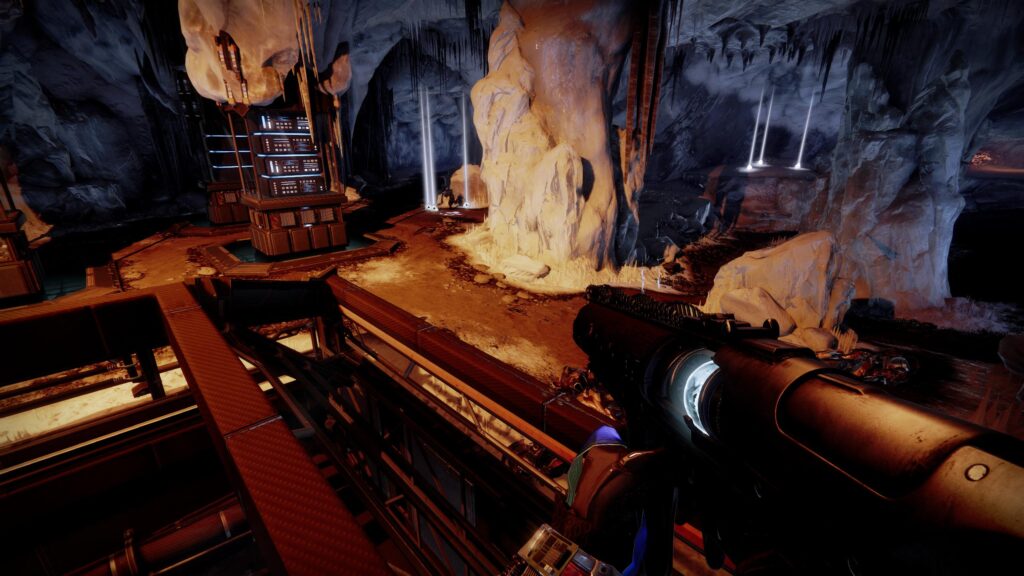
For Hunters, Arcstrider provides mobility and quick, lethal strikes, while Gunslinger’s Solar abilities offer precision damage and powerful supers. Titans can capitalize on the Striker’s Arc abilities for aggressive play or the Sunbreaker’s Solar powers for durability and area control. Warlocks, meanwhile, can choose Stormcaller for Arc-driven crowd control or Dawnblade for Solar-based aerial supremacy.
To help you decide, here’s a breakdown of popular subclass choices:
| Subclass | Elemental Affinity |
|---|---|
| Arcstrider | Arc |
| Gunslinger | Solar |
| Striker | Arc |
| Sunbreaker | Solar |
| Dawnblade | Solar |
Ability Usage Tips
Mastering ability usage in your chosen subclass can greatly enhance your performance in Destiny 2’s PvP. Start with grenade placement. Properly placed grenades can control enemy movement and zone out opponents, giving you a tactical advantage.
For example, throw your grenade into high-traffic areas or choke points to force enemies into the open, making them easier targets. Remember, different subclasses have various grenade types; understand each type’s behavior and use it to your advantage.
Next, focus on melee timing. A well-timed melee attack can turn the tide of a close-quarters encounter. Don’t just spam your melee ability; wait for the right moment to strike, preferably when your opponent’s shields are down. Subclasses like the Titan Striker benefit greatly from precise melee hits due to their inherent melee damage bonuses.
Additionally, always be aware of your ability cooldowns. Efficiently managing these cooldowns ensures you have your abilities ready for critical moments. Pay attention to subclass perks that can reduce cooldown times, and consider using gear that provides additional ability energy.
Synergy With Weapons
To maximize your PvP effectiveness in Destiny 2, it’s vital to align your weapon choices with your subclass abilities. This synergy can give you a significant edge in competitive matches.
Start by selecting weapons that complement your subclass’s strengths. For instance, if you’re using the Arcstrider Hunter, a weapon with the perk ‘Swashbuckler‘ can enhance your melee kills, leveraging your subclass’s melee capabilities.
Loadout balance is important. Make sure your weapons cover different engagement ranges. Pair a close-range weapon like a shotgun or submachine gun with a mid-to-long-range option such as a scout rifle or pulse rifle. This allows you to adapt to various combat situations effectively.

Weapon perks play a significant role. Look for perks that synergize with your abilities. For example, if you’re running a Solar subclass, perks like ‘Incandescent’ can spread Scorch effects, amplifying your subclass’s damage potential.
Similarly, Void subclasses benefit from perks like ‘Repulsor Brace,’ which grants an overshield on Void-ability kills.
Map Awareness and Control
Understanding map layouts and controlling key areas can give you a significant advantage in Destiny 2’s PvP matches. Knowing where you and your opponents spawn, as well as identifying key choke points, can drastically improve your gameplay. Spawn points are the locations where players respawn after being defeated. By learning these spots, you can predict enemy movements and set up ambushes.
Choke points are narrow areas where players are forced to pass through, making them ideal for setting traps or holding off enemies. Controlling these choke points can limit your opponent’s movements and give your team the upper hand. Here’s a breakdown of common map features and their significance:
| Feature | Importance |
|---|---|
| Spawn Points | Predict enemy movements, set ambushes |
| Choke Points | Control and limit enemy advances |
| Power Ammo | Access to powerful weapons |
| High Ground | Better visibility and shooting angles |
| Objective Zones | Essential for game modes like Control |
Team Coordination Tips
Effective team coordination can make or break your PvP matches in Destiny 2. Guarantee you have clear communication channels, so everyone is on the same page.
Assign roles clearly to avoid confusion, and synchronize your Supers’ usage to maximize their impact.
Clear Communication Channels
In the heat of PvP battles, maintaining clear communication channels with your team can make the difference between victory and defeat. Utilizing voice chat effectively is vital for real-time coordination. Guaranteeing everyone on the team understands the importance of frequent callouts is key. Quick and precise information about enemy locations, status, and movements can turn the tide of battle.
To enhance your communication, follow these guidelines:
| Guidelines | Benefits | Emotional Impact |
|---|---|---|
| Use Voice Chat | Real-time coordination | Confidence in teamwork |
| Be Concise | Faster decision making | Reduced frustration |
| Frequent Callouts | Better situational awareness | Increased trust |
Using voice chat fosters an environment where teammates can react instantly. Everyone should aim to be concise when communicating, avoiding unnecessary details that can clutter the conversation. Frequent callouts ensure that all team members are aware of the changing dynamics of the battlefield. For example, instead of saying ‘I think there’s an enemy near the big rock,” say, “Enemy at the big rock.”
Role Assignment Clarity
Assigning clear roles to each team member guarantees cohesive and efficient gameplay in Destiny 2’s PvP battles. When every player understands their specific duties, your team can execute strategies more effectively.
Role specialization is vital; it allows each member to focus on their strengths, whether that’s engaging enemies, supporting allies, or controlling objectives.
Start by defining team roles: a Slayer focuses on eliminating opponents, a Support player aids teammates with buffs and healing, and an Objective player captures and defends key points. Make sure everyone knows their role to prevent overlap and confusion during intense matches.
Role specialization isn’t just about picking a job; it also means tailoring your loadout and abilities to fit that role. For example, a Slayer might use high-damage weapons and offensive Supers, while a Support player could focus on gear that boosts team resilience.
Communication is key here. Regularly discuss your roles and adapt based on the match flow and enemy tactics.
Synchronize Supers Usage
Timing your team’s Supers can shift the tide of battle in Destiny 2’s PvP mode. When you and your teammates coordinate the use of your Supers, you maximize their effectiveness. Timing Supers correctly means releasing them at critical moments, such as when defending a control point or breaking an enemy stronghold.
Super Synergy is essential for ensuring that each Super complements the others. For instance, a Warlock’s Well of Radiance provides healing and damage buffs, making it an excellent pairing with a Titan’s Thundercrash for a devastating assault. Another example is combining a Hunter’s Shadowshot to tether enemies with a Warlock’s Nova Bomb to clear the area.
Communication is key. Use voice chat or in-game signals to inform your teammates when your Super is ready. Plan your attacks in advance, and be adaptable if the situation changes. Also, keep track of enemy Supers. If the enemy team has multiple Supers ready, it might be wise to save yours for a counter-attack.
Practice makes perfect. The more you and your team work on timing Supers and creating Super Synergy, the more dominant you’ll become in Destiny 2’s PvP battles.
Effective Movement Techniques
Mastering effective movement techniques in Destiny 2 can give you a notable edge in PvP combat. Effective movement can be the difference between victory and defeat, allowing you to outmaneuver and outplay your opponents.
One essential technique to master is slide techniques. Sliding not only makes you a harder target to hit but also allows you to close gaps quickly or retreat when necessary. Coupled with strafe timing, which involves alternating your movement direction unpredictably, you can considerably reduce your chances of being hit.
Here are some key movement techniques to incorporate into your gameplay:
- Sliding: Use slides to dodge incoming fire and quickly move between cover points.
- Strafing: Change direction unpredictably to make it harder for enemies to track you.
- Jumping: Utilize different types of jumps to reach high ground or avoid ground-based attacks.
- Crouch Spamming: Rapidly crouching can confuse opponents and make headshots more difficult.
- Map Knowledge: Familiarize yourself with map layouts to use terrain to your advantage.
Adaptation and Counterplay
In PvP, adapting to your opponent’s strategies and employing effective counterplay can greatly enhance your chances of winning. To do this, you need to be observant and quick to adjust.
Start by paying attention to the weapons, abilities, and tactics your opponents favor. If you notice a pattern, anticipate counters they might use and prepare a response. For instance, if an opponent frequently uses a sniper, consider moving unpredictably and using cover to avoid getting picked off.
Next, exploit weaknesses in their strategy. If you find a player who relies heavily on a shotgun, maintain distance and use long-range weapons to your advantage. Additionally, keep an eye out for predictable movements or common hiding spots and adjust your approach accordingly.
Communication with your team is also vital. Share information about enemy tactics so everyone can adapt and counter effectively. Use voice chat or in-game signals to coordinate your efforts, ensuring that you’re not just adapting individually but as a cohesive unit.
Frequently Asked Questions
How Do I Improve My Reaction Time for Pvp Encounters?
To improve your reaction time for PvP encounters, focus on enhancing your hand-eye coordination. Practice reaction drills daily, like quick target switching or aim training games, to sharpen your reflexes and boost your performance.
What Are Some Tips for Dealing With Lag and Connection Issues in Pvp?
To deal with lag and connection issues in PvP, start with network troubleshooting. Make sure your setup prioritizes connection stability. Use a wired connection, close background applications, and consider upgrading your router or internet plan for better performance.
How Can I Manage My In-Game Stress During Intense Pvp Matches?
In the heat of battle, when stress feels like a tsunami, use breathing techniques to stay calm. Mental preparation before matches helps too. Remind yourself it’s just a game and focus on having fun.
Are There Any Recommended Peripherals or Settings for Better Pvp Performance?
You can boost your PvP performance by adjusting mouse sensitivity for precise aiming and customizing key bindings to streamline your actions. Explore different settings to find what feels most comfortable and enhances your reaction time.
How Can I Effectively Communicate With Non-Mic Teammates in Pvp?
To bridge the conversation gap, employ non-verbal cues like emotes and strategic movements. Enhance your map awareness to predict and sync with teammates’ actions. These subtle strategies can really speak volumes without uttering a single word.
Conclusion
To dominate in Destiny 2’s PvP meta, you need to understand your weapons, master your subclass, and control the map.
Communicating with your team, coordinating supers, and defining roles are essential.
Don’t forget to perfect your movement techniques like sliding and strafing.
Adapt to your opponents, anticipate their strategies, and counter effectively.
Stay aware, stay sharp, and stay coordinated.
With these strategies, you’ll excel and lead your team to victory.
Leave a Reply